
.png)
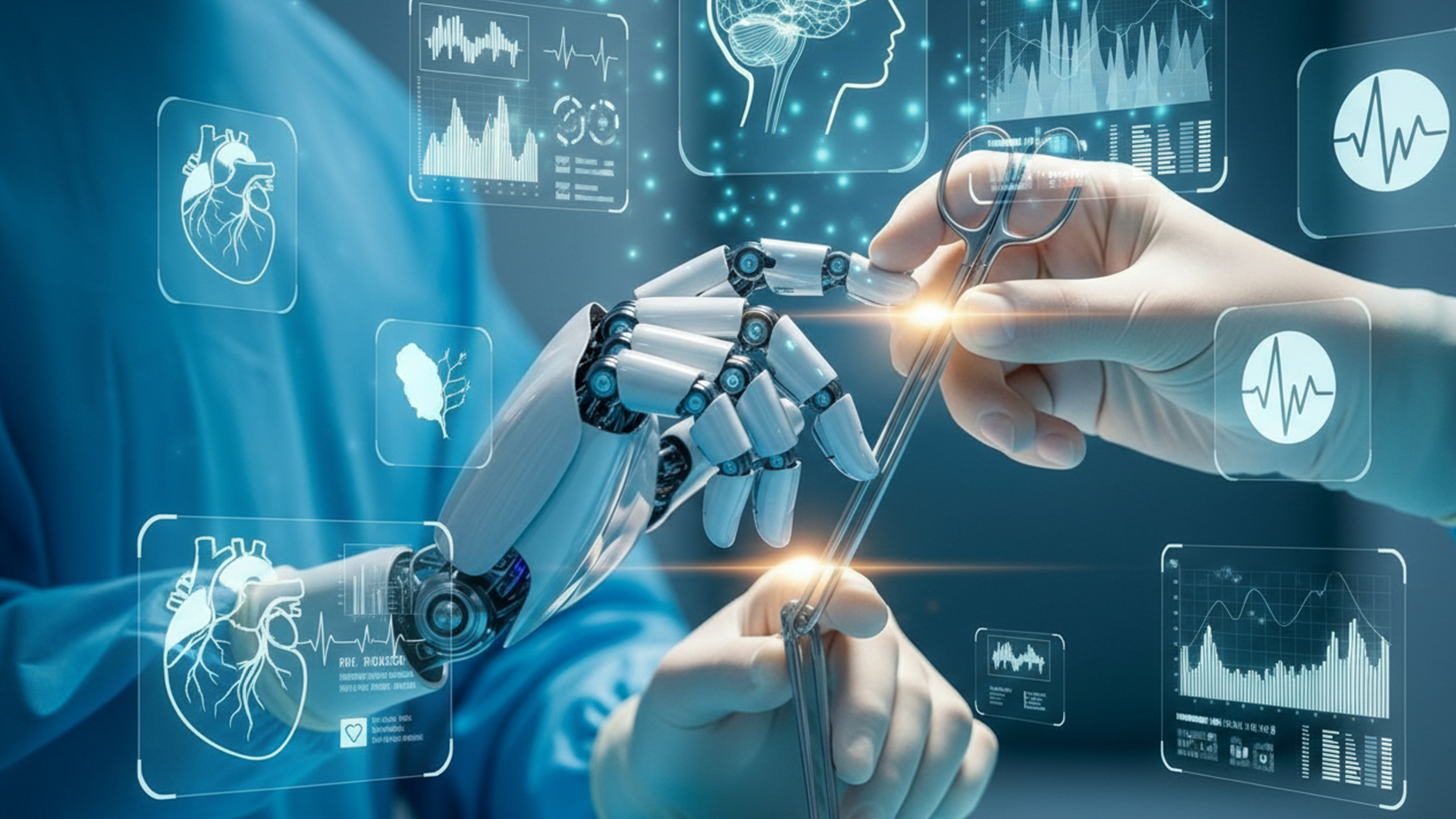
The medical sector has undergone a radical transformation in recent years thanks to artificial intelligence in Medicine technologies that have created a real revolution in diagnosis, treatment, and healthcare system management methods. AI is no longer just a future concept but has become an effective tool working hand in hand with medical staff to improve health outcomes, reduce costs, and increase operational efficiency.
At Naqla Sehia, we recognize the importance of these digital transformations and work to empower medical entities through integrated smart solutions that help them adopt the latest Artificial Intelligence in Medicine technologies in their daily operations.
How Does Artificial Intelligence in Medicine Work in the Medical Field?
Machine Learning and Big Data Analysis
Medical AI primarily relies on machine learning algorithms capable of analyzing massive amounts of medical data, from patient records to diagnostic images and genomic data. These systems learn from previous patterns to provide accurate insights and analyses that help in:
- Improving medical diagnosis accuracy
- Predicting disease progression and potential complications
- Discovering personalized treatments suitable for each patient
- Enhancing medical resource management
Natural Language Processing for Understanding Medical Records
AI systems use advanced techniques to understand and analyze medical texts written in natural language, enabling them to:
- Extract important information from medical records
- Convert oral medical notes into organized texts
- Identify patterns in patient symptoms and treatments
- Automate data entry and organization
Applications of Artificial Intelligence in Medicine in Medical Diagnosis

Medical Image Analysis with Unprecedented Accuracy
AI systems have demonstrated remarkable superiority in analyzing medical images such as:
- X-rays and CT scans: Detecting fractures and tumors with up to 95% accuracy
- MRI scans: Diagnosing brain and nervous system diseases
- Mammograms: Early detection of breast cancer with high effectiveness
- Skin images: Diagnosing skin diseases and cancers
Differential Diagnosis and Rare Diseases
AI helps doctors in:
- Suggesting a list of potential diseases based on symptoms
- Identifying rare diseases that might be missed in human diagnosis
- Reducing diagnostic error rates
- Saving time in searching for appropriate diagnosis
Personalized Treatment and Precision Medicine
Genome Analysis and Targeted Therapies
AI has created a radical shift in personalized medicine through:
- Analyzing genomic data to determine genetic predisposition to diseases
- Designing customized drug treatments based on patient genetic makeup
- Predicting patient responses to different treatments
- Developing new drugs targeting specific genetic mutations
Chronic Disease Management
AI systems provide innovative solutions for managing chronic diseases like:
- Diabetes: Analyzing glucose data and providing personalized recommendations
- Heart diseases: Monitoring biomarkers and alerting doctors when needed
- Asthma: Predicting and preventing attacks
- Cancer: Monitoring treatment and adjusting it according to response
Improving Medical Processes and Management
Automating Administrative Tasks
AI technologies help simplify administrative processes through:
- Automatic appointment scheduling
- Inventory and medical supplies management
- Processing insurance claims
- Organizing electronic medical records
Enhancing Patient Experience
Smart solutions offer improved patient experience through:
- Chatbots for answering inquiries
- Appointment and treatment reminder systems
- Platforms for remote medical consultations
- Health status monitoring after hospital discharge
At Naqla Sehia, we provide integrated solutions for digitizing medical entities including developing smart medical applications and websites that support these advanced functions, enabling healthcare institutions to provide exceptional patient service.
Challenges and Potential Risks
Privacy and Security Issues
AI implementation in medicine faces challenges related to:
- Protecting sensitive medical data
- Preventing breaches and unauthorized access
- Compliance with regulations like HIPAA and GDPR
- Maintaining medical information confidentiality
Ethical Considerations
AI technologies raise important ethical questions:
- Who is responsible for diagnostic errors?
- How to avoid bias in algorithms?
- Ensuring transparency in decision-making
- Balancing human intervention and artificial intelligence
The Future of Artificial Intelligence in Medicine
Promising Future Trends
Expected developments in the near future include:
- Advanced Robotic Surgery: More precise and less invasive operations
- Predictive Diagnosis: Predicting diseases before symptoms appear
- Smart Medications: Drugs adapting to patient condition in real-time
- Smart Hospitals: Fully connected medical environments
Integration of Emerging Technologies
AI will integrate with other technologies like:
- Medical Internet of Things
- Blockchain for securing medical records
- Augmented reality in medical training
- 3D printing of organs and tissues
Naqla Sehia’s Role in Supporting Digital Transformation
At Naqla Sehia, we believe that the medical future is fully digital, and we work to empower healthcare institutions through:
- Developing smart medical platforms powered by Artificial Intelligence in Medicine as Ivita platform
- Designing innovative patient applications
- Creating SEO-friendly websites designed to convert visitors into customers
- Providing specialized consultations in digital transformation for the healthcare sector
- Developing customized digital marketing solutions for medical services
Frequently Asked Questions
What are the main benefits of Artificial Intelligence in Medicine?
AI contributes to improving diagnosis accuracy, reducing medical errors, personalizing treatments, lowering costs, enhancing resource management, and accelerating medical research.
Will Artificial Intelligence in Medicine replace doctors?
No, AI is designed to be a tool to assist doctors, not replace them. The human role remains crucial in making final decisions and human interaction with patients.
What is the cost of implementing AI solutions in medical institutions?
The cost varies according to the institution’s size and the type of solution required. At Naqla Seha, we offer scalable solutions suitable for different budgets, with guaranteed clear return on investment through improved efficiency and increased revenues.
How can small clinics benefit from AI?
Small clinics can start with simple solutions like smart appointment scheduling systems, chatbots for answering inquiries, and enhanced medical record management systems.
What is the time required to implement Artificial Intelligence in Medicine solutions?
The duration depends on project size and complexity. Basic projects may take a few weeks, while comprehensive projects may require several months. At Naqla Sehia, we ensure providing a realistic timeline from the beginning.
Are Artificial Intelligence in Medicine solutions safe and reliable?
Yes, when properly developed and implemented. At Naqla Sehia, we commit to the highest security and quality standards and ensure our solutions comply with all local and international regulations.






No comment