
.png)

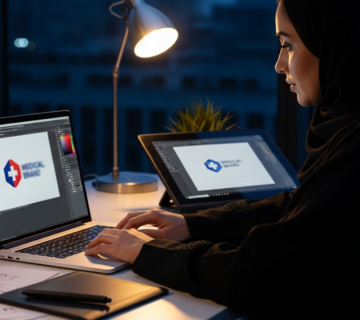
In light of the rapid digital transformation the world is witnessing, the concept of building a medical digital identity emerges as one of the most critical factors influencing patient trust, booking decisions, and long-term engagement with healthcare providers. The success of healthcare institutions and doctors is no longer based solely on scientific competence or clinical experience. Instead, it has become closely linked to the ability to present a professional image in the digital world.
Today’s patient no longer relies only on traditional recommendations. Instead, they begin their journey by searching online, reading reviews, exploring content, and comparing doctors before making a decision. This shift in patient behavior has made digital identity a decisive element, where a strong first impression can convert a visitor into a loyal patient, while a lack of organization or professionalism can lead to lost opportunities.
The Shift in Patient Behavior and Its Impact on Building a Digital Identity
The changes in patient behavior over recent years reflect a deep transformation in decision-making processes. Patients have become more aware, more information-driven, and less dependent on traditional sources. Many studies indicate that a large percentage of patients rely on the internet as their primary source of medical information, while fast access to information and ease of booking have become essential factors in choosing a healthcare provider.
This transformation makes building a medical digital identity a necessity, as it represents the first bridge between the doctor and the patient. When patients encounter clear content, professional design, and a smooth experience, they develop a sense of trust and comfort, increasing the likelihood of booking.
What Is a Medical Digital Identity? And Why Is It More Than Just Being Online?

A medical digital identity is not merely a website or a social media page. It is the complete image that reflects the personality of a doctor or healthcare institution in the digital world. It includes everything the patient sees, from medical content, to communication style, to how services are presented.
This identity acts as a mirror reflecting the level of professionalism, conveying either reassurance or concern to the patient. Therefore, building a medical digital identity requires a deep understanding of how to present information, communicate effectively, and create a seamless user experience.
The Psychological Impact of Digital Identity on Patient Decisions
From a psychological perspective, first impressions play a crucial role, especially in healthcare decisions. When a patient enters a well-organized website, finds clear information, and sees positive reviews, their mind begins forming a positive perception.
This feeling reduces stress and anxiety while increasing trust, encouraging faster decision-making. On the other hand, a weak or unclear digital identity may create doubt, even if the medical service itself is excellent.
This clearly shows that building a medical digital identity is not just marketing—it is a powerful psychological factor influencing patient behavior.
The Relationship Between Digital Identity and Patient Experience

The patient journey begins long before visiting the clinic, often starting with an online search. Therefore, digital identity becomes the first real point of contact.
When this identity is well-integrated, patients can move smoothly through different stages—from search to booking to follow-up. This integration creates a comfortable and seamless experience, increasing patient satisfaction.
Consistency in identity—whether in design, content, or communication—also reinforces professionalism, making patients more willing to continue engaging with the provider.
How Building a Medical Digital Identity Impacts the Growth of Clinics and Centers
Digital identity is not just a tool for attraction—it is a key driver of growth. Healthcare institutions that invest in building a strong identity achieve clear results in terms of increasing patient numbers, improving booking rates, and reducing cancellations.
When patients feel confident before their visit, they are more committed and more likely to recommend the service to others. This means digital identity directly contributes to building a strong and sustainable reputation.
The Role of Medical Content in Strengthening Digital Identity
Content is one of the most important elements in building a medical digital identity, as it represents the voice of the doctor or institution. When content is clear, simplified, and based on scientific foundations, it helps educate patients and build trust.
Good content is not limited to information alone—it includes presentation style, tone, and the ability to answer common patient questions. The closer the content aligns with patient needs, the more effective it becomes.
The Role of Technology in Supporting Medical Digital Identity

Technology plays a central role in developing digital identity by improving user experience, simplifying booking processes, and providing multiple communication channels.
Online booking systems, automated responses, and data management all contribute to delivering an integrated experience. This integration reflects a high level of professionalism and enhances patient trust.
Challenges Facing the Building of a Medical Digital Identity
Despite its importance, there are several challenges that institutions may face, such as poor planning, lack of audience understanding, or reliance on non-targeted content. for more, read
Failure to update information or ignoring patient reviews may also lead to negative outcomes. Therefore, building a medical digital identity requires a clear and continuous strategy rather than a one-time effort.
How to Start Building a Strong Medical Digital Identity
The first step begins with understanding the patient, followed by defining the message you want to deliver. Then comes designing a comprehensive digital experience that includes the website, content, and communication channels.
It is also essential to continuously monitor performance and analyze results, as digital identity is not static—it evolves over time.
The Future of Digital Identity in the Healthcare Sector
With ongoing technological advancements, digital identity is expected to become more interactive and intelligent, leveraging artificial intelligence and data analytics to deliver personalized patient experiences.
This evolution will make building a medical digital identity a key competitive factor, where success will not depend solely on medical excellence, but also on the ability to communicate effectively in the digital space.
Frequently Asked Questions About Building a Medical Digital Identity
What percentage of patients search for doctors online before booking?
Studies indicate that more than 75% of patients rely on online searches before choosing a doctor, while around 60% are directly influenced by digital reviews and patient experiences.
Does digital identity really impact patient acquisition?
Yes, building a strong medical digital identity can increase booking rates by 30% to 50%, especially when user experience and accessibility are optimized.
How long does it take to build a successful digital identity?
On average, initial results begin to appear within 3 to 6 months, while achieving strong and stable outcomes may take 6 to 12 months, depending on content quality and marketing strategy.
How many reviews are needed to appear trustworthy?
Having at least 20 to 30 positive reviews creates a strong first impression, while reaching 50+ reviews significantly enhances trust among new patients.
Does medical content influence patient decisions?
Absolutely. Data shows that patients who read reliable medical content are up to 40% more likely to book compared to those who do not engage with educational content.
How important is website speed for patient experience?
Around 53% of users leave a website if it takes more than 3 seconds to load, which directly impacts booking rates.
How many platforms should healthcare providers be present on?
It is recommended to maintain presence on 3 to 5 key digital platforms, such as a website, social media channels, and review platforms, to ensure balanced visibility.
Are images and videos important in medical digital identity?
Yes, visual content can increase engagement by up to 80%, helping patients feel more comfortable and confident before their visit.
What is the difference in trust between having a website and not having one?
Healthcare providers with a professional website gain up to 70% more trust compared to those relying only on social media platforms.
Can the success of a digital identity be measured with numbers?
Yes, success can be measured through indicators such as:
Increase in website traffic by 50%+
Improved booking rates
Reduced bounce rates
Higher engagement levels
Conclusion
In conclusion, building a medical digital identity is no longer an optional step—it has become the foundation of success for any doctor or healthcare institution in the modern era. Digital identity is the first impression, the key to building trust, and the tool that converts visitors into loyal patients.
Investing in this identity means investing in the future, growth, and sustainability in an increasingly competitive and rapidly evolving market.




No comment