
.png)

In an era where everything is going digital, the healthcare sector is no longer immune to this transformation. Digital healthcare platforms have become the backbone of modern healthcare systems, connecting all elements of the medical ecosystem—patients, doctors, healthcare institutions, and insurance companies—into one integrated network.
Naqlah Sehia is a leader in developing and delivering integrated healthcare platforms that meet modern needs, transforming healthcare from a traditional model into a smart, connected system.
What Are Digital Healthcare Platforms?
Comprehensive Definition
Digital healthcare platforms are integrated digital systems designed to facilitate and enhance the delivery of medical services through information technology. These platforms act as a bridge connecting:
Patients and healthcare providers
Doctors, hospitals, and healthcare centers
Various and fragmented medical data
Health monitoring devices and medical records
From Traditional to Digital Model
| Traditional Model | Digital Model via Platforms |
| Patient visits healthcare facility | Remote medical consultations |
| Paper records prone to loss | Secure electronic records |
| Service delivery isolation | Integration between different providers |
| Limited access to services | 24/7 available services |
| High costs | Higher efficiency and lower costs |
Main Types of Digital Healthcare Platforms
1. Telemedicine Platforms
One of the most widely used types, especially after the COVID-19 pandemic:
Key Features:
- Direct communication between patient and doctor via video
- Reduced time, effort, and costs
- Access to healthcare in remote areas
- Regular follow-up for chronic conditions
Global Examples:
- Teladoc Health
- Amwell
- Doctor on Demand
2. Electronic Health Records (EHR) Platforms
The backbone of digital transformation in healthcare:
Core Functions:
- Centralized storage of all patient data
- Information sharing among care providers
- Support for clinical decision-making
- Data analysis for research and studies
Advanced System Features:
- Integration with medical devices
- AI alerts for drug interactions
- User-friendly interfaces for doctors and patients
3. Integrated Care Platforms
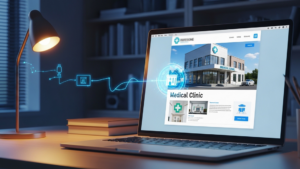
Digital healthcare platforms: The future of medicine in a connected world
These platforms connect different aspects of healthcare:
Comprehensive Services:
- Appointment scheduling and booking
- Billing and insurance claims
- E-pharmacy services
- Laboratories and diagnostics
- Radiology and medical imaging
4. Public Health and Prevention Platforms
Focused on preventive care:
Key Areas:
- Population health tracking
- Health awareness and education programs
- Vaccination campaign management
- Infectious disease monitoring
5. Health Data Platforms
Specialized in collecting and analyzing health data and considered among the most important digital healthcare platforms:
Importance:
- Supporting medical and scientific research
- Developing new drugs and treatments
- Healthcare policy planning
- Predicting epidemics and future needs
Key Features of a Successful Healthcare Platform
1. Ease of Use and Excellent User Experience
For Patients:
- Intuitive and easy-to-navigate interface
- Simple appointment booking
- Quick access to medical records
- Smart notifications and reminders
For Doctors:
- Design tailored to clinical workflow
- Seamless integration with diagnostic tools
- Ready and customizable reports
- Clinical decision support
2. Security and Privacy
Required Standards:
- End-to-end data encryption
- Compliance with global privacy regulations (such as HIPAA, GDPR)
- Multi-factor authentication
- Detailed audit logs of all activities
- Regular and secure backups
3. Integration and Flexibility
Integration Capabilities:
- Connectivity with existing hospital systems
Support for medical exchange protocols (such as HL7, FHIR) - Open APIs
- Integration with wearable devices
- Compatibility with different insurance systems
4. Artificial Intelligence and Data Analytics
AI Applications:
- Smart medical assistant for preliminary diagnosis
- Health risk prediction
- Personalized treatment plans
- Automated medical image analysis
- Predictive resource management
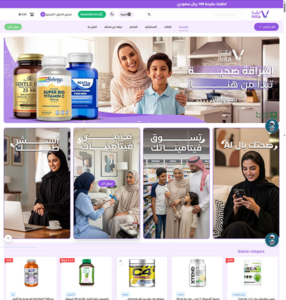
Naqlah Sehia has implemented artificial intelligence as part of its digital healthcare platforms through the Ivita website to provide initial health assessments and recommend suitable dietary supplements based on individual cases.
How to Start a Successful Medical Project
Benefits of Adopting Healthcare Platforms
1. For Patients: Better and Easier Care
Improved Patient Experience:
- Integrated and comprehensive care
- Saving time and effort
- Active participation in healthcare
- Easier access to specialized services
- Lower costs for visits and procedures
Better Health Outcomes:
- Continuous monitoring of chronic conditions
- Early detection of health issues
- Better treatment adherence
- Personalized preventive care
2. For Doctors and Healthcare Providers
Improved Medical Practice:
- More time for patient care
- Complete and accurate patient data
- Support in clinical decision-making
- Better collaboration with colleagues
- Reduced medical errors
Professional Development:
- Access to the latest research and studies Opportunities for continuous medical education
- Participation in specialized medical communities
3. For Healthcare Institutions
Higher Operational Efficiency:
- Improved resource management
- Reduced operational costs
- Increased revenues
- Better bed occupancy rates
Quality and Reputation:
- Improved quality indicators
- Higher patient satisfaction
- Strong institutional reputation
- Competitive advantage in the market
4. For the National Healthcare System
System Effectiveness:
- Better resource distribution
- Accurate data for healthcare planning
- Faster response to health crises
- Improved population health
Financial Sustainability:
- Optimized healthcare spending
- Reduced resource waste
- Better investment in health technology
Challenges of Developing and Implementing Digital Healthcare Platforms
1. Technical Challenges
Integration with Existing Systems:
- Legacy systems that are not easily integrated
- Lack of unified standards
- Interoperability issues
Cybersecurity:
- Advanced and continuous threats
- Sensitivity of medical data
- Strict regulatory requirements
2. Human and Cultural Challenges
Resistance to Change:
- Attachment to traditional methods
- Fear of losing control
- Concerns about reliance on technology
Digital Skills:
- Digital divide between age groups
- Need for continuous training
- Shortage of healthcare IT specialists
3. Legal and Regulatory Challenges
Privacy and Consent:
- Strict data protection laws
- Informed patient consent
- Legal liability in case of breaches
Licensing and Registration:
- Complex registration requirements
- Differences in regulations between countries
- Recognition of cross-border consultations
4. Financial Challenges
High Costs:
- Significant initial investment
- Ongoing maintenance and development costs
- User training and technical support
Revenue Models:
- Difficulty in achieving profitability
- Resistance to paying for digital services
- Competition with free services
Naqlah Sehia’s Role in Developing Digital Healthcare Platforms
Our Vision: Smart Healthcare for All
At Naqlah Sehia, we believe that the future of healthcare lies in integrated smart platforms. لذلك we offer:
1. Naqlah Sehia Comprehensive Platform
- For clinics and medical centers: Integrated management system
- For hospitals: Advanced enterprise solutions
- For patients: Comprehensive healthcare application
- For doctors: Smart tools for medical practice
2. Unique Features of Our Platform
Full Integration:
- Electronic health records
- Smart booking and scheduling
- Automated billing and insurance
- E-pharmacy
- Integrated labs and radiology
Artificial Intelligence:
- Virtual medical assistant
- Predictive risk analysis
- Personalized treatment recommendations
- Smart resource management
Security and Reliability:
- Secure cloud infrastructure
- Advanced data encryption
- Automatic backups
- Full regulatory compliance
3. Our Complementary Services
Specialized Consulting:
- Needs assessment and requirements analysis
- Custom solution design
- Digital transformation strategies
Development and Implementation:
- Custom platform development
- Integration with existing systems
- User training
Support and Maintenance:
- 24/7 technical support
- Continuous updates and improvements
- Performance and quality monitoring
The Future: Trends and Developments in Digital Healthcare Platforms

1. Holistic Health Platforms
A shift toward integrated care:
- Combining physical and mental health
- Incorporating social determinants of health
- Lifelong continuous care
2. Blockchain-Based Platforms
A revolution in data security:
- Immutable medical records
- Full patient control over their data
- Transparency in data exchange
3. AR/VR-Powered Platforms
Innovative applications:
- Remote surgeries
- Advanced medical training
- VR-based psychological therapies
4. Predictive and Preventive Platforms
From treatment to prevention:
- Predictive health risk analysis
- Personalized prevention plans
- Early intervention before disease progression
5. Social Healthcare Platforms
Digital health communities:
- Patient support groups
- Sharing experiences and knowledge
- Promoting healthy behaviors
How to Choose the Right Healthcare Platform for Your Organization
Guide to Selecting the Ideal Platform
1. Define Needs and Goals
- Analyze current operations
- Set priorities
- Define clear and measurable objectives
2. Key Selection Criteria
Technical Aspects:
- Ease of use and integration
- Security and reliability
- Flexibility and scalability
- Quality of technical support
Functional Aspects:
- Included features and technologies
- Compatibility with medical specialties
- Customization capabilities
Financial Aspects:
- Total cost of ownership
- Pricing models
- Expected return on investment
3. Choosing the Right Partner
Partner Selection Criteria:
Experience in the healthcare sector
Proven track record
Quality of support and training
Future vision and innovation
Naqlah Sehia: Your Ideal Partner for Digital Transformation and Healthcare Platforms
Why Choose Us?
- Specialized expertise: A team of medical and technology experts
- Integrated solutions: From start to finish
- Continuous support: Your long-term success partner
- Ongoing innovation: Keeping up with the latest technologies and trends
Steps for Successful Implementation
Digital Transformation Roadmap
Phase 1: Planning and Preparation (1–2 months)
Form the project team
Conduct needs assessment and gap analysis
Develop a detailed implementation plan
Select the platform and partner
Phase 2: Development and Setup (2–4 months)
Develop and customize the platform
Prepare infrastructure
Train core team
Pilot testing and trials
Phase 3: Implementation and Training (1–2 months)
Gradual rollout
Train all users
Intensive support during launch
Phase 4: Operation and Continuous Improvement (Ongoing)
Monitor performance and evaluation
Collect feedback and improve
Continuous development and enhancements
Tips for Success
Successful Implementation:
Leadership commitment from top management
User involvement in design
Comprehensive and continuous training
Gradual cultural transformation
Avoid Failure:
Do not rush implementation
Do not ignore the human factor
Do not underestimate training importance
Do not neglect security and privacy
Frequently Asked Questions
How long does platform implementation take?
The duration ranges from 3 to 6 months depending on project complexity:
Ready-made platforms: 4–8 weeks
Custom solutions: 3–6 months
Large-scale projects: 6–12 months
Can it integrate with our existing systems?
Yes, Naqlah Sehia offers advanced integration capabilities with:
Existing medical record systems
Laboratory and radiology systems
Billing and insurance systems
Various medical devices
How is data security and privacy ensured?
We adhere to the highest security standards:
Advanced data encryption
Secure cloud servers
Compliance with HIPAA and GDPR
Continuous security audits
Daily backups
What training is required for the team?
We provide a comprehensive training package:
Train-the-trainer programs for administrators
Group training for doctors and staff
Online courses for users
Live support during operation
Quick references and user guides
Does the platform support both Arabic and English?
Yes, Naqlah Sehia platforms fully support bilingual functionality:
User interfaces in Arabic and English
Bilingual reports and documents
Support for Arabic medical terminology
Accurate medical content translation




No comment